Introduction
Protein has become one of the most discussed topics in modern health and wellness. While protein has traditionally been associated with athletes and bodybuilding, researchers now recognize that maintaining adequate protein intake is essential for people of all ages, especially as they grow older.
As the body ages, natural muscle loss begins to occur. This process, known as sarcopenia, can affect strength, mobility, balance, and independence.
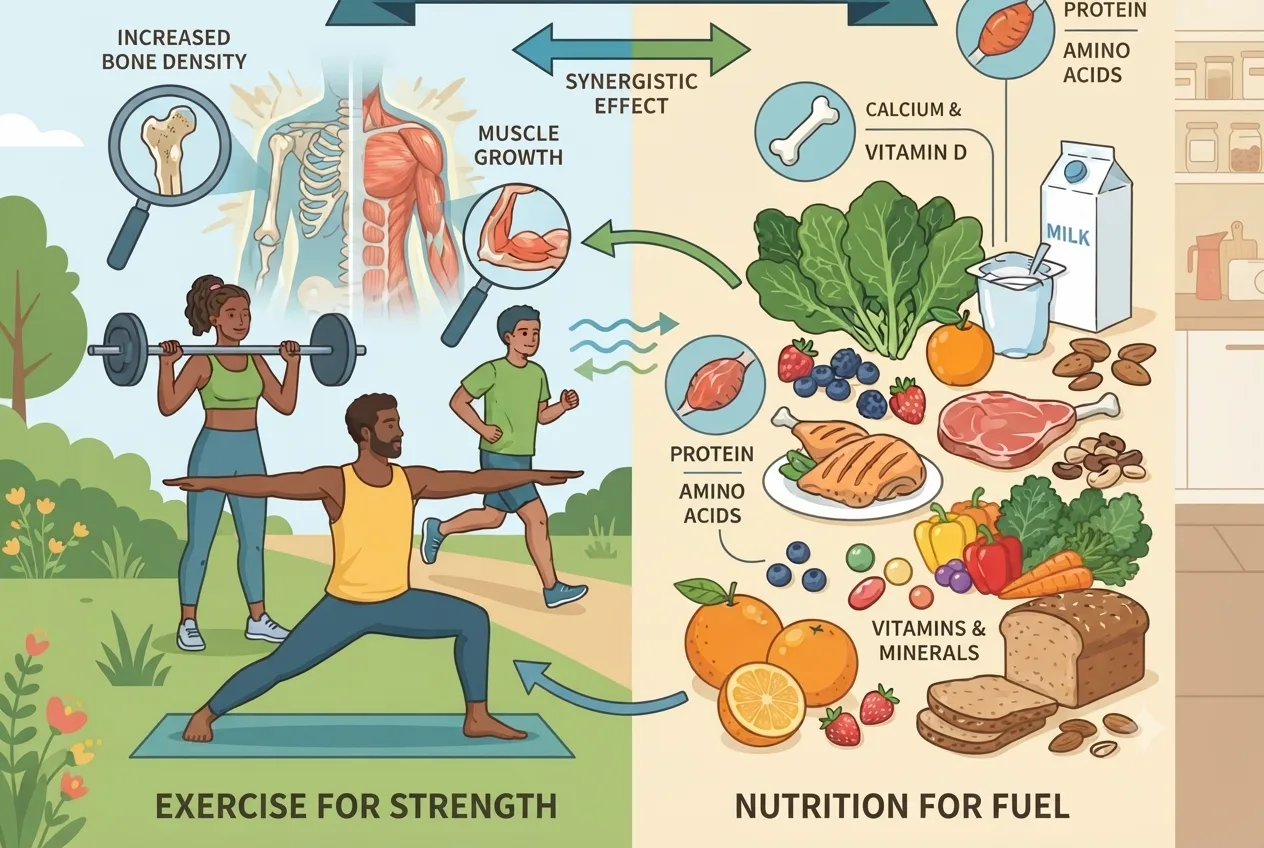
A combination of sufficient protein intake and regular resistance exercise is increasingly recognized as one of the most effective strategies for supporting healthy aging.
The goal is not simply to build bigger muscles, but to preserve strength, improve quality of life, and maintain physical function.
Why Protein Is Important for the Body
Protein is one of the three major macronutrients, alongside carbohydrates and fats.
The body uses protein to support:
- Muscle repair and growth
- Hormone production
- Immune function
- Enzyme activity
- Tissue recovery
- Cell maintenance
Protein is made up of amino acids, which are often called the building blocks of the body.
Some amino acids cannot be produced naturally and must come from food.
Why Muscle Loss Happens With Age
Beginning in adulthood, people gradually lose muscle mass if they do not actively maintain it.
Factors contributing to muscle loss include:
- Reduced physical activity
- Hormonal changes
- Lower protein intake
- Increased inflammation
- Recovery becoming slower
Loss of muscle strength may lead to:
- Reduced mobility
- Higher risk of falls
- Difficulty performing daily activities
- Lower metabolic health
Maintaining muscle has become a major focus of longevity research.
Protein and Healthy Aging
Adequate protein intake supports:
1. Maintaining Muscle Mass
Protein provides amino acids needed for muscle repair after exercise and daily activities.
Combined with strength training, protein helps stimulate muscle protein synthesis.
2. Supporting Metabolism
Muscle tissue requires energy to maintain itself.
More muscle generally supports:
- Better glucose control
- Higher daily energy expenditure
- Improved body composition
3. Improving Recovery
Protein helps the body recover after:
- Exercise
- Physical activity
- Injury
- Illness
Best Sources of Protein
Healthy protein sources include:
Animal-Based Proteins
- Fish
- Eggs
- Chicken
- Lean meat
- Greek yogurt
- Milk
Plant-Based Proteins
- Beans
- Lentils
- Soy products
- Tofu
- Tempeh
- Nuts
- Seeds
A balanced diet can include both animal and plant protein sources depending on personal preferences.
How Much Protein Do Adults Need?
Protein requirements vary depending on:
- Age
- Body weight
- Activity level
- Health goals
Active adults and older adults may require more protein than the minimum recommended amount to support muscle maintenance.
Instead of focusing only on daily totals, many experts recommend spreading protein intake throughout the day.
Examples:
- Protein-rich breakfast
- Balanced lunch
- Nutritious dinner
- Healthy protein snacks
The Importance of Strength Training
Protein works best when combined with resistance exercise.
Strength training helps signal the body to use amino acids for muscle repair.
Examples include:
- Weight training
- Resistance bands
- Bodyweight exercises
- Functional movements
Even moderate strength exercises can provide significant benefits.
Protein and Weight Management
Protein can support healthy weight management by helping:
- Increase feelings of fullness
- Reduce unnecessary snacking
- Maintain muscle during weight loss
Unlike rapid weight-loss diets that reduce muscle, a protein-focused approach aims to preserve lean body mass.
Popular Protein Trends in 2026
High-Protein Healthy Aging Diets
More adults are increasing protein intake to support longevity and independence.
Protein-Rich Convenience Foods
Protein bars, drinks, and snacks continue growing in popularity.
Personalized Nutrition
Technology is helping people adjust protein intake based on:
- Lifestyle
- Fitness goals
- Body composition
Simple Ways to Increase Protein Intake
✅ Add eggs or yogurt to breakfast
✅ Include fish or lean meat with meals
✅ Add beans or tofu to dishes
✅ Include nuts and seeds as snacks
✅ Combine strength training with protein intake
✅ Spread protein throughout the day
Conclusion
Protein is no longer viewed only as a fitness nutrient. It has become an essential part of healthy aging and long-term wellness.
Maintaining muscle strength helps people stay active, independent, and healthier as they grow older.
A combination of adequate protein, regular exercise, quality sleep, and a balanced lifestyle provides a strong foundation for maintaining physical health throughout life.




Comments 0
No approved comments yet. Start the conversation.