Introduction
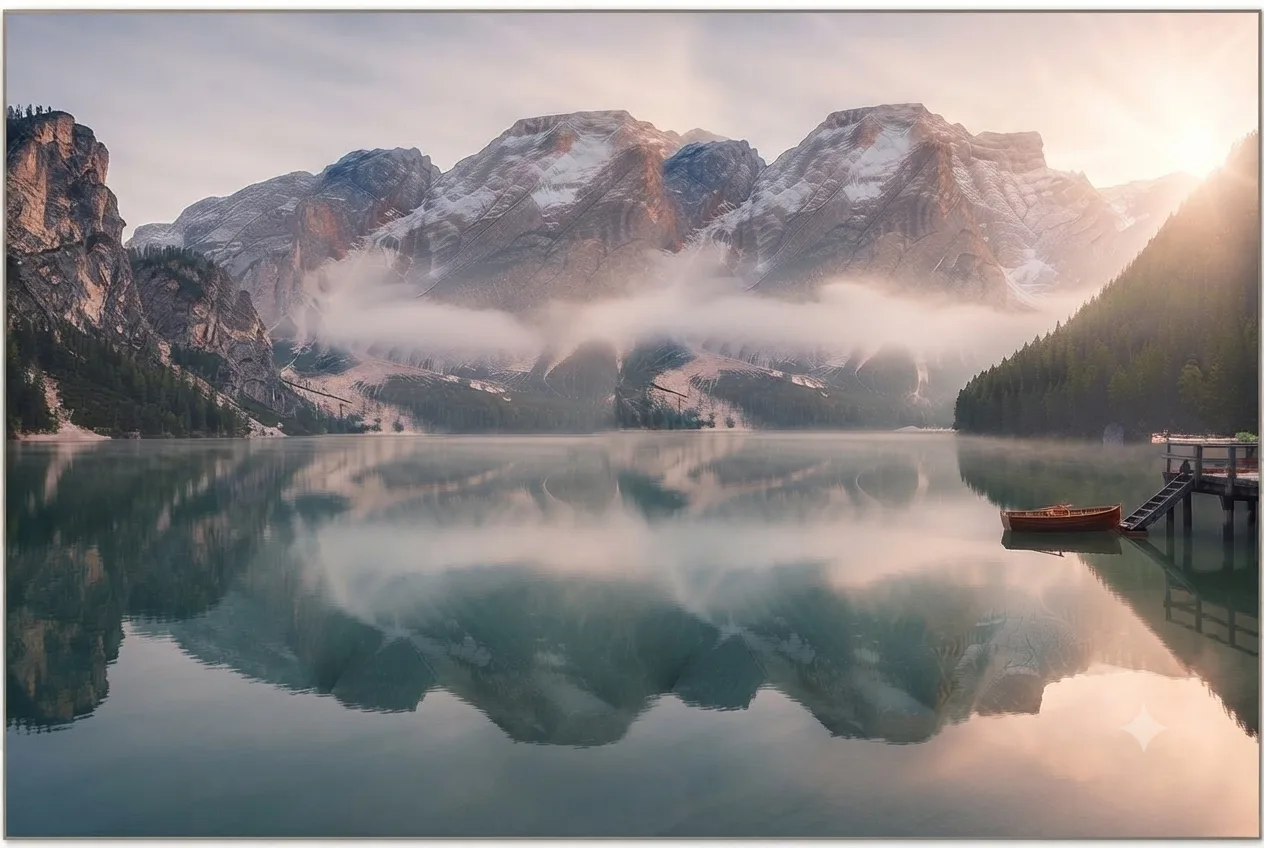
Modern travel has often been associated with packed itineraries, rushing between attractions, and collecting as many destinations as possible. However, a growing number of travelers are embracing a different philosophy known as slow travel.
Rather than focusing on quantity, slow travel emphasizes quality experiences by spending more time in one location, connecting with local communities, and appreciating everyday life.
This approach allows travelers to enjoy destinations at a relaxed pace while supporting local businesses and reducing the environmental impact of frequent transportation.
Benefits of Slow Travel
Deeper Cultural Understanding
Longer stays allow travelers to experience local customs, traditions, and everyday life.
Reduced Travel Stress
Fewer flights and less rushing create a more enjoyable travel experience.
Better Value
Longer stays often reduce accommodation and transportation costs.
Environmental Benefits
Traveling less frequently helps lower carbon emissions.
Slow Travel Activities
- Local cooking classes
- Farmers' markets
- Walking tours
- Community events
- Nature exploration
- Language learning
- Cultural workshops
Planning a Slow Travel Experience
Choose destinations that offer:
- Walkable neighborhoods
- Reliable public transportation
- Local markets
- Cultural attractions
- Outdoor activities
Allow flexibility in your itinerary and leave time for unexpected discoveries.
Slowing down allows travelers to reduce stress and fully immerse themselves in local culture. This mindful approach pairs well with our Mental Wellness Trends guide and complements the relaxation-focused experiences discussed in Wellness Tourism: Combining Travel with Health and Relaxation.
Slow Travel Trends in 2026
- Extended vacation rentals
- Rural tourism
- Community tourism
- Eco-friendly transportation
- Local food experiences
- Wellness retreats
Conclusion
Slow travel is changing the way people experience the world by encouraging meaningful connections instead of rushed sightseeing. By embracing a slower pace, travelers often discover richer cultural experiences, reduced stress, and a greater appreciation for the destinations they visit.



Comments 0
No approved comments yet. Start the conversation.