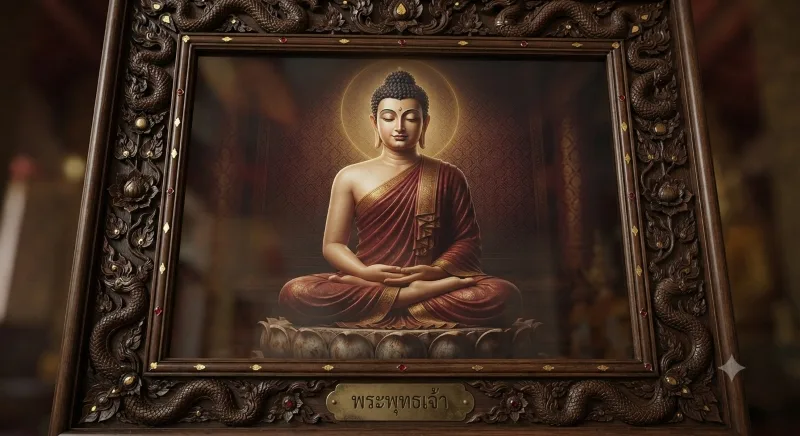
Buddhism is a philosophy, religion, and way of life followed by hundreds of millions of people across Asia and throughout the world. Its teachings emphasize personal responsibility, compassion toward all living beings, mindfulness, and the pursuit of enlightenment.
Unlike many religions that center on divine intervention, Buddhism encourages individuals to understand the nature of life through direct experience, self-reflection, and disciplined practice. Its timeless teachings continue to inspire people seeking peace, wisdom, and a deeper understanding of existence.
The Life of the Buddha
Buddhism began with Siddhartha Gautama, who was born around the 5th century BCE in present-day Nepal.
Born into royalty, Prince Siddhartha lived a life of luxury until he encountered what are known as the Four Sights:
- An old man
- A sick person
- A dead body
- A wandering monk
These experiences revealed the unavoidable realities of aging, illness, and death, inspiring him to leave his palace in search of lasting happiness and freedom from suffering.
After years of meditation and spiritual practice, Siddhartha attained enlightenment beneath the Bodhi Tree at Bodh Gaya, India. From that moment, he became known as The Buddha—the Enlightened One.
For the next 45 years, he traveled across northern India teaching the path to liberation.
The Core Teachings of Buddhism
The Buddha summarized his teachings through the Four Noble Truths, which explain the nature of suffering and the path to its end.
1. The Truth of Suffering (Dukkha)
Life naturally contains suffering, dissatisfaction, stress, and impermanence.
Examples include:
- Birth
- Aging
- Illness
- Death
- Separation from loved ones
- Not obtaining what we desire
- Emotional pain
Recognizing suffering is the first step toward overcoming it.
2. The Cause of Suffering
The Buddha taught that suffering is primarily caused by:
- Craving
- Attachment
- Ignorance
People constantly seek pleasure, wealth, status, and permanence in a world that is always changing.
3. The End of Suffering
When attachment and craving are eliminated, suffering ceases.
This state is called Nirvana, the ultimate liberation from greed, hatred, and delusion.
4. The Path Leading to the End of Suffering
The Buddha prescribed the Noble Eightfold Path as the practical way to achieve enlightenment.
The Noble Eightfold Path
The Eightfold Path consists of eight interconnected practices:
Wisdom
- Right View
- Right Intention
Ethical Conduct
- Right Speech
- Right Action
- Right Livelihood
Mental Discipline
- Right Effort
- Right Mindfulness
- Right Concentration
These principles help individuals cultivate moral behavior, mental clarity, and wisdom.
The Three Universal Truths
Buddhism teaches three characteristics of existence.
Impermanence (Anicca)
Everything changes.
Nothing remains exactly the same forever.
Understanding impermanence reduces attachment and disappointment.
Suffering (Dukkha)
Because everything changes, attachment inevitably leads to dissatisfaction.
Non-Self (Anatta)
There is no permanent, unchanging self or soul.
Instead, what we call a person is a constantly changing combination of physical and mental processes.
Karma
Karma means intentional action.
Every action creates consequences that influence future experiences.
Good actions generally lead to beneficial results.
Negative actions tend to create suffering.
Karma is not punishment but a natural law of cause and effect.
Rebirth
Most Buddhist traditions teach rebirth rather than the migration of an eternal soul.
The continuity of consciousness continues according to one's karma until enlightenment is attained.
Nirvana
Nirvana is the ultimate goal of Buddhist practice.
It represents:
- Freedom from suffering
- Freedom from greed
- Freedom from hatred
- Freedom from ignorance
- Perfect wisdom
- Perfect compassion
- Inner peace
Nirvana is not simply a place but a profound state of liberation.
Meditation
Meditation is central to Buddhist practice.
Popular forms include:
Mindfulness Meditation
Developing awareness of the present moment.
Loving-Kindness Meditation (Metta)
Cultivating unconditional love and goodwill toward all beings.
Concentration Meditation
Training the mind to become calm and focused.
Regular meditation helps reduce stress, improve emotional balance, and deepen insight.
Compassion in Buddhism
Compassion (Karuna) is one of Buddhism's highest virtues.
Practitioners strive to:
- Help others
- Avoid harming living beings
- Practice generosity
- Forgive
- Develop patience
- Show kindness to everyone
Compassion is inseparable from wisdom.
The Five Precepts
Lay Buddhists commonly observe five ethical guidelines:
- Do not kill living beings.
- Do not steal.
- Avoid sexual misconduct.
- Do not lie.
- Avoid intoxicants that cloud the mind.
These precepts support a peaceful and harmonious life.
Major Buddhist Traditions
Theravāda Buddhism
Often called the "Teaching of the Elders," Theravāda is practiced primarily in:
- Thailand
- Sri Lanka
- Myanmar
- Laos
- Cambodia
It emphasizes preserving the earliest teachings of the Buddha.
Mahāyāna Buddhism
The largest branch of Buddhism, Mahāyāna is practiced in:
- China
- Japan
- Korea
- Vietnam
It emphasizes the Bodhisattva ideal—seeking enlightenment while helping all beings attain liberation.
Vajrayāna Buddhism
Practiced mainly in Tibet, Bhutan, and Mongolia, Vajrayāna incorporates meditation, ritual, visualization, and advanced spiritual practices to accelerate the path toward enlightenment.
Buddhist Symbols
Some well-known Buddhist symbols include:
- Dharma Wheel (Wheel of Dharma)
- Lotus Flower
- Bodhi Tree
- Endless Knot
- Buddha Statue
- Stupa
Each symbolizes aspects of wisdom, enlightenment, and spiritual growth.
Buddhism Today
Today, Buddhism has spread to nearly every continent.
Millions of people practice Buddhist meditation, mindfulness, and ethical living regardless of religious background.
Its teachings have influenced psychology, education, healthcare, and modern mindfulness practices, demonstrating the enduring relevance of the Buddha's insights in contemporary life.
Why Buddhism Remains Relevant
Buddhism continues to resonate because it addresses universal human experiences:
- Managing stress and anxiety
- Cultivating compassion
- Understanding change and impermanence
- Developing mindfulness
- Finding inner peace
- Living ethically
- Pursuing wisdom and self-understanding
Whether approached as a religion, philosophy, or practical guide to living, Buddhism offers timeless principles that encourage personal transformation and harmony with others.
Conclusion
Buddhism is more than an ancient tradition—it is a practical path for cultivating wisdom, compassion, and inner peace. Through the teachings of the Buddha, individuals learn to understand the causes of suffering, develop ethical conduct, train the mind through meditation, and ultimately seek liberation from attachment and ignorance. Its emphasis on mindfulness, kindness, and self-awareness continues to inspire millions worldwide, making Buddhism one of humanity's most enduring and influential spiritual traditions.


Comments 0
No approved comments yet. Start the conversation.